5 Best GoPro Microphones for Clear Vlogs
GoPro Media Mod Accessory is the top pick for most buyers. It earns that spot as the best gopro microphone choice because it adds a directional microphone and a 3.5mm input without requiring a separate audio adapter. The compact frame also provides two cold-shoe mounts for lights or other accessories, making it useful for travel videos, interviews, and action footage.
This guide is for GoPro owners who want clearer speech, better camera audio, or support for an external mic. The main factors are camera compatibility, microphone pickup, wind handling, size, and added weight. Battery life also matters for wireless models, while wired options depend on the camera and adapter setup. The five picks below are ranked with clear reasons and honest drawbacks for each, so you can match the microphone to your filming style and budget.
Quick Comparison
| # | Product | Best For | Price | |
|---|---|---|---|---|
| 1 | GoPro Media Mod Accessory | GoPro vloggers needing onboard audio | — | View → |
| 2 | DJI Mic Mini Wireless Microphone | Travel creators needing compact wireless audio | ~$79 | View → |
| 3 | GoPro Wireless Mic Kit | GoPro users wanting hands-free voice capture | ~$160 | View → |
| 4 | Movo VXR10 Shotgun Microphone | Phone filmmakers needing directional sound | ~$36 | View → |
| 5 | GoPro Pro 3.5mm Mic Adapter | GoPro owners using external 3.5mm mics | ~$70 | View → |
5 Top GoPro Microphone Picks
These five camera microphones are ranked in order, counting down to the top pick for clearer GoPro audio on the move.
5. GoPro Pro 3.5mm Mic Adapter
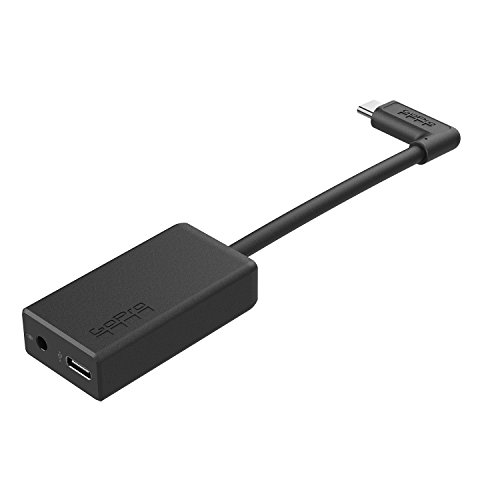
Best for: HERO creators using external microphones
This official GoPro adapter connects an external 3.5mm microphone to compatible HERO cameras. It supports a wide range of microphones, including stereo models, plus line-level sources such as an audio recorder or mixer. The adapter uses a USB-C connection, so it also provides USB-C power and data extension while the microphone is connected.
Its 106dB stereo analog-to-digital converter is the key feature. That gives the camera a dedicated path for converting incoming analog audio into a digital recording. The 90-degree USB-C connector can help keep the cable closer to the camera body, which is useful on compact rigs or mounted setups. At around $70, this is a specialized accessory rather than a casual add-on. It makes the most sense for creators who already own a quality wired mic and need cleaner audio than the camera’s built-in microphones can provide.
Pros
- Accepts many 3.5mm microphones, including stereo models.
- Supports line input from an audio recorder or mixer.
- 106dB stereo conversion supports external analog audio sources.
Cons
- Around $70, it costs a significant amount for a camera adapter.
- It adds a separate adapter and cable to a small HERO setup.
4. Movo VXR10 Shotgun Microphone

Best for: mobile creators needing a low-cost mic
The Movo VXR10 is a compact directional shotgun microphone for cameras, phones, laptops, and action cameras. Its aluminum body should handle travel better than a plastic mic, while the built-in shock mount helps reduce bumps and handling noise. The pickup pattern favors sound in front of the mic and lowers some side noise, which suits vlogs, interviews, podcasts, and short social videos. Around $36, it offers a low-cost way to improve voice recording over many built-in microphones.
The box includes a fuzzy windscreen, carrying case, camera cable, smartphone cable, original shock mount, and Rycote shock mount. That is a useful six-piece accessory package, especially for outdoor recording or switching between a camera and phone. For cleaner results, place the mic 1 to 5 feet from your subject. You will need the correct TRS or TRRS cable, depending on the device. Newer iPhones and Android phones may also require a Lightning or USB-C adapter. Some cameras, including Canon Rebel T6 and T7 models, do not support external microphones.
Pros
- Aluminum housing and two shock-mount options suit travel and handheld filming.
- Directional pickup focuses on voices or subjects in front of the camera.
- Includes a windscreen, case, and separate camera and smartphone cables.
Cons
- Requires a 3.5mm microphone input and plug-in power, limiting device compatibility.
- The included cables and phone adapters can create setup confusion, especially with newer phones.
3. GoPro Wireless Mic Kit
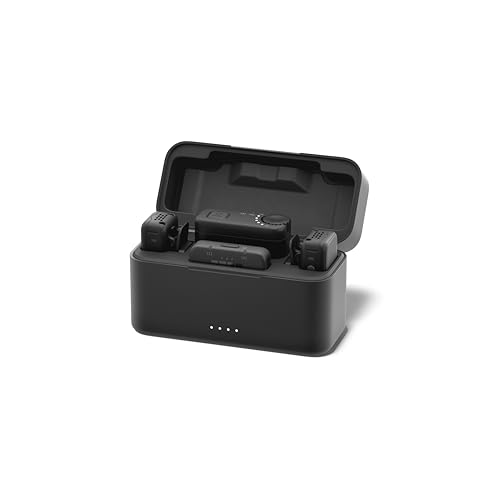
Best for: Two-person vlogging and interviews
This wireless microphone kit includes two 10-gram transmitters, two receivers, and a charging case. It works with DSLR and mirrorless cameras, GoPro cameras that use a Media Mod, and devices with a 3.5mm TRS audio port. The included USB-C receiver supports compatible phones and other mobile devices. Around $160, it costs more than basic single-mic kits, but the two-person setup adds useful flexibility.
Each transmitter clips to clothing or attaches magnetically with the included mounts. The system supports 24-bit audio at 48kHz when paired with one of the receivers, plus noise reduction and gain control for cleaner recordings. Its stated wireless range reaches up to 492 feet, or 150 meters, from the camera. The box includes two windscreens, a TRS cable, USB-C charging cable, storage pouch, and charging case. Having both a 3.5mm receiver and a USB-C model makes it practical across cameras and newer phones.
Pros
- Two transmitters capture two speakers at the same time.
- 10-gram transmitters stay small and easy to clip on.
- 24-bit, 48kHz recording supports detailed spoken audio.
Cons
- GoPro use requires a compatible Media Mod, which adds cost and bulk.
- The 492-foot range is a maximum, and walls or crowds can reduce it.
2. DJI Mic Mini Wireless Microphone

Best for: Two-person interviews and creators
The DJI Mic Mini kit includes two 10-gram transmitters, one receiver, a charging case, and accessories. Each transmitter works as a small wireless lavalier mic, so it can sit on clothing without drawing much attention. Two transmitters also make the setup practical for interviews, co-hosted videos, and livestreams. The receiver connects the microphones to compatible recording equipment.
At around $79, this package offers a strong feature set for casual production. Audio records at 48 kHz, while the 120 dB SPL rating gives voices room to stay clear at louder volumes. DJI lists a maximum transmission range of 400 meters, though walls, crowds, and interference can reduce that distance. The case provides up to 48 hours of total battery life. Basic and Strong noise cancellation modes target different surroundings, and automatic limiting helps reduce clipping from sudden loud sounds. Compatible DJI devices can connect directly to a transmitter without the receiver.
Pros
- Two transmitters support interviews and two-person videos.
- 10-gram units stay light and discreet on clothing.
- Charging case provides up to 48 hours of battery life.
Cons
- The 400-meter range is a maximum, not a guaranteed working distance.
- Direct transmitter pairing is limited to listed DJI devices, so other cameras and phones need the receiver.
1. GoPro Media Mod Accessory

Best for: GoPro creators needing cleaner audio
The GoPro Media Mod is a wraparound camera accessory for HERO13, HERO12, HERO11, HERO10, and HERO9 Black models. It adds a built-in directional microphone that favors speech while reducing some surrounding noise. Its compact body uses tough, weather-resistant construction, so it suits outdoor recording better than a basic open camera setup. Still, weather resistance does not mean full waterproof protection.
Two cold-shoe mounts let you attach compatible lights, microphones, or screens without adding a separate bracket. A 3.5mm microphone port supports external audio gear, which can help when the camera sits several feet from the speaker. The HDMI-out port allows monitoring or playback on a compatible display. GoPro designed this accessory to work with its Light Mod and Display Mod, while third-party accessories may also fit if their mounts and connections match. The main appeal is added audio and accessory support in one compact frame. It also keeps the camera easy to mount, though the extra housing adds another part to manage.
Pros
- Directional built-in mic can make voices clearer than the camera’s standard audio.
- Two cold-shoe mounts support lights, microphones, or display accessories.
- 3.5mm input and HDMI output expand recording and monitoring options.
Cons
- It adds bulk around the camera and may make a small setup less pocket-friendly.
- Weather-resistant construction is not the same as waterproof protection, so wet-weather use still requires care.
Buying Guide
The most important factor is camera compatibility. GoPro cameras often need a Media Mod or official 3.5mm adapter, so even a good mic may not work without the correct connection.
- Connection type: Confirm support for your GoPro model before buying. Wired microphones usually need a 3.5mm adapter or Media Mod, while wireless kits may use a USB-C receiver.
- Microphone style: Choose a lavalier for spoken audio, a compact shotgun mic for forward-facing sound, or a dual-transmitter kit for two people. A 1.2-meter cable suits chest-mounted cameras.
- Battery life: Look for at least 6 hours per charge for short trips. A charging case with 18 to 24 hours of total power helps on full-day shoots.
- Wind protection: Require a furry windscreen for cycling, boating, or motorcycle footage. Foam alone works better indoors or in light outdoor breezes.
- Wireless range and controls: Aim for at least 30 meters of clear range, plus mute and gain controls. Dual-channel recording is useful because it keeps both speakers on separate tracks.
- Mounting and price: Check for clips, magnets, or adhesive mounts. Basic wired options often cost $20 to $50, while reliable wireless sets commonly range from $80 to $250.
If you cannot have everything, prioritize confirmed compatibility, since sound quality does not matter if the camera cannot record it.
Frequently Asked Questions
How do I connect a microphone to my GoPro?
Connect a GoPro microphone through a compatible Media Mod or USB-C audio adapter, depending on your camera model. A wired lavalier may use a 3.5mm plug, while newer cameras often need USB-C support. Check the camera and adapter compatibility before buying, since not every GoPro accepts external audio directly.
What type of microphone works best with a GoPro?
A lavalier microphone works best for spoken content, while a compact shotgun mic suits forward-facing outdoor footage. Choose a model with the connector required by your Media Mod or adapter. For example, a 3.5mm microphone needs compatible hardware, not just a standard USB-C charging cable.
Can I use a wireless microphone with a GoPro?
You can use a wireless microphone with a GoPro if its receiver connects through a compatible Media Mod or audio adapter. Many wireless systems use a small 2.4 GHz receiver, but the receiver still needs a supported input. Check battery life, receiver size, and wind protection before recording.
Are external microphones worth buying for GoPro videos?
External microphones are worth buying when clear speech matters, especially for interviews, travel videos, and action clips with strong wind. A separate mic can reduce camera handling noise, but it adds cables, adapters, or another battery. A foam cover or furry windscreen can help during rides, hikes, and beach filming.
Conclusion
GoPro Media Mod Accessory is the top pick for GoPro owners who want a tidy, camera-mounted setup for adding microphones and other compatible accessories. If your priority is the lightest possible rig or a lower upfront cost, choose a compact microphone adapter instead, since it can reduce bulk when filming on hikes, bikes, or travel days. Before buying, double-check the accessory’s physical size, compatibility with your exact GoPro model, package quantity, and current price, because listings can cover different versions or single-item packs. Also confirm that your microphone’s connector matches the included ports or adapter, since the right camera mount cannot fix an incompatible plug. Choose the setup that fits your footage and budget.